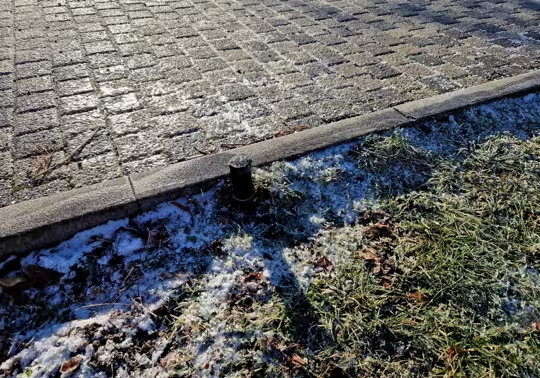
Do You Need to Winterize Your Sprinkler System?

Do You Need to Winterize Your Sprinkler System?

Winterizing your sprinkler system is one of the most important steps to protect it from freezing temperatures. Without proper preparation, water left inside the pipes can freeze and expand, leading to cracked pipes, damaged valves and broken sprinkler heads.

This May Also Interest You: Bought a House With a Lawn For the First Time? Here’s How to Take Care of It

Come springtime, these issues could cost you hundreds — if not thousands — in repairs. To avoid these problems, proper winterization is key.

How to Winterize Your Lawn Irrigation System

Step 1: Shut Off the Water Supply

Begin by turning off the main water supply to your sprinkler system. You’ll typically find the shut-off valve near your water meter. This step ensures no more water will enter the system, reducing the risk of freezing.

Step 2: Release Trapped Water from the Backflow Preventer

After shutting off the water, you’ll need to release any water trapped inside the backflow preventer. This device is designed to stop contaminated water from flowing back into your home’s clean water supply. Typically located near your main shut-off valve, the backflow preventer is usually outside or in a utility area. It often looks like a brass or plastic valve assembly with handles and test cocks. Open the test cocks and shut-off valves to allow any remaining water to escape. Leaving the valves at a 45-degree angle afterward will help prevent any trapped water from freezing.

Step 3: Turn Off the Timer or Controller

If your irrigation system operates on an automated timer or controller, it’s important to disable it for the winter. Some systems feature a “rain mode,” which allows you to stop the system from running while keeping your settings intact for the following season. If you forget this step, the system could try to water your lawn during freezing weather and potentially cause significant damage.

Step 4: Inspect the System for Damage

Before you drain the system, inspect your sprinkler heads, valves, and any other visible components. Look for cracked heads, leaks, or other signs of wear. Fix any damage before winterizing, as a broken head or valve could allow water to remain in the system and increase the risk of freezing and bursting pipes.

More Related Articles:

Step 5: Drain or Blow Out the System

Once your irrigation system is shut down and inspected, you can drain it using one of three methods: manual draining, automatic draining, or the blow-out method. Each method works, but the right one depends on your system’s configuration.

Manual draining systems usually have drain valves located at the lowest points of your system, which you’ll need to open to release the water. If you notice valves along your pipes or near sprinkler heads, especially at low points, you likely have a manual drain system.

Automatic drain systems, on the other hand, release water automatically when the water pressure drops below a certain level, meaning you won’t see as many drain valves. To determine if you should use the manual method, check your system’s manual or inspect your pipes for these valves.

The blow-out method uses compressed air to remove water from the irrigation system. This is the most thorough approach and can be used on both automatic and manual drain sprinkler systems, but it requires extra caution and the right equipment.

Manual Drain

  • Locate the Drain Valves. Find the valves at the lowest points in your system. These valves are specifically designed to release water from the pipes.
  • Release the Water. Open each valve slowly to allow the pressurized water to escape. It’s a good idea to wear safety goggles during this step, as water can spray out with force.
  • Close the Valves Once Drained. When water stops flowing from each valve, close them tightly to prevent air or water from re-entering. Make sure to check all zones to ensure that no water remains trapped in the pipes. Even a small amount of water left in the pipes can freeze, so be thorough.

Automatic Drain

  • Turn Off the Main Water Valve. Once the water supply is shut off, run one of the sprinkler heads to relieve pressure. The automatic drain valves will open to let out the water.
  • Manually Check for Trapped Water. While the automatic valves will drain the majority of water, there may still be some left in areas like solenoids (small electric components that control water flow in the system’s valves). Loosen and check these areas to ensure all the water is removed.

Blow-Out Method

  • Safety First. This method can be hazardous if not done properly. Always wear protective eye gear and hearing protection, as compressed air can force water out of the sprinkler heads at high speeds, potentially causing injury. Keep children and pets away from the area.
  • Use the Correct Air Compressor. To use this method, you’ll need an air compressor that delivers at least 10 cubic feet per minute (CFM) of airflow. Be sure to adjust the pressure to suit your pipes – 50 psi for polyethylene pipes and 80 psi for PVC pipes. Using too much pressure can result in bursting pipes or damaged sprinkler heads.
  • Blow Out the System. Start by attaching the air compressor to the system using the appropriate adapter. Begin with the sprinkler head farthest from the compressor and open the zone one by one. Gradually increase the air pressure to push the water out of the pipes. Make sure to wear protective goggles and stand clear of the sprinkler heads during this process.
  • Double-Check All Zones. Move through each zone methodically, ensuring all water has been expelled. Any leftover water can freeze and expand, causing damage over the winter. Once the blow-out process is finished, go back and check each zone again for residual water.

Step 6: Clear Remaining Water and Insulate Exposed Parts

Once the draining or blow-out process is complete, it’s crucial to ensure no water remains in the pipes, valves, or sprinkler heads. Even a small amount of trapped water can freeze, expand, and cause cracks or leaks. After ensuring your system is free of water, consider insulating exposed parts such as backflow preventers, outdoor valves, and pipes.

Foam covers, insulation tape, or even straw can help protect these components from freezing temperatures. Be careful not to block any air vents or drainage outlets, as this can interfere with the system’s function.
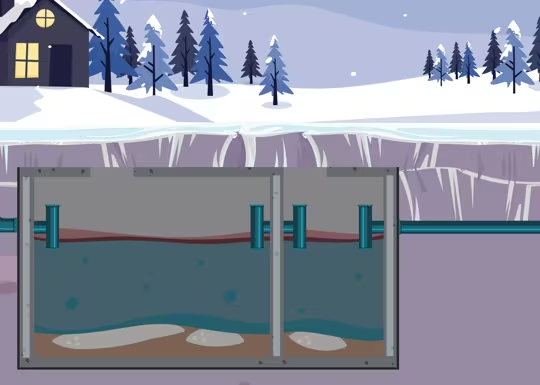
Can a Septic Tank Freeze?

Can a Septic Tank Freeze?

A frozen septic tank can cause wastewater and sewage to back up into sinks, toilets and showers. If you’re experiencing these issues in the middle of winter, your septic tank could be frozen.

This May Also Interest You: How to Reduce Septic Tank Odor

Yes, sadly enough, your septic tank can freeze unless you’re proactive about preparing the pipes, tank and soil for freezing winter temperatures.

Can a Septic System Freeze?

Unless the system is buried deep enough in the ground, you can have a frozen septic system. Also, if you’re not home, it’s possible for the standing water in the drains, outlets and lines to freeze. Once that happens, your system may become blocked and frozen solid.

Can a Drain Field Freeze?

Once the bacteria in the septic tank have done their work, the wastewater runs into a drain field. This field plays a key role in further treating the effluent before it sinks into the soil and ultimately enters groundwater. For several reasons, the drain field may be close to the surface of the ground, and unless adequately insulated, it may freeze.

Conditions That May Cause Your Septic Tank or Drain Field to Freeze

Suppose you don’t take specific precautions during the installation of the septic tank, such as ensuring the tank is properly buried and exposed lines are insulated. In that case, it’s possible to get a frozen septic tank. Conditions that can lead to a septic tank freezing include:

  • Shallow and uninsulated drain pipes.If the pipes from the house to the septic tank are uninsulated, exposed or just below the ground, they may freeze, preventing waste from entering the tank.
  • Snow compaction over the tank and drain field.Soft, fluffy snow insulates, while compacted snow becomes ice. This allows the ground around the tank and drain field to freeze, ultimately causing a frozen septic tank and drain field.
  • Limited use.Running water doesn’t freeze as easily as standing water. If you’re frequently away, the water in the pipes leading to the septic tank can freeze.
  • A deep freeze.Unexpectedly cold weather, such as a polar vortex, can reduce temperatures to below the design parameters of the septic system, leading to freezing.

More Related Articles:

Practical Tips to Prevent Septic Tank Freezing

With changing weather patterns, it’s vital to be proactive in maintaining the septic system correctly to prevent freezing. You can do most of this yourself, but you’ll need specialist help for some tasks. Here are six steps to keep your septic system healthy during winter.

  • Pump out solids in spring.According to the EPA, you should get a septic service provider to remove solids from the septic tank every three to five years. Always do this in spring so the bacteria in the septic tank can reestablish before colder weather comes.
  • Maintain healthy bacteria.Don’t dispose of chemicals, solids or cooking oil into the septic tank. These harm bacteria and clog up the tank. Never use antifreeze, as this is also harmful.
  • Insulate exposed and shallow pipes and vents.Insulate all exposed septic lines, drains and vents. If the drain lines or tank are shallow or above ground, use heat tape and tank heaters to keep the temperature above freezing.
  • Cover the tank and drain field with a layer of mulch.In autumn, cover the tank and drain field with leaves, hay or other loose organic material. This helps insulate and protect the tank and drain field from freezing.
  • Maintain a regular flow of water into the septic tank.Help the bacteria thrive and prevent freezing with a regular flow of warm water into the septic tank. If possible, use hot water in your washing machine and dishwasher, but even a regular flow of cold water is beneficial.
  • Don’t compact or clear snow above the septic tank and drain field.Remember, fluffy snow has great insulation qualities and prevents the ground from freezing, so avoid clearing snow or compacting it above the drain field and septic tank.
How Do You Fix Rusty Water?

How Do You Fix Rusty Water?

You’re feeling a little parched and go to pour yourself a nice, crystal-clear cup of … dirty, red water?! Rusty water isn’t just yucky to look at. It can also affect your skin, your plumbing fixtures and your clothes.

This May Also Interest You: What Causes Water to Turn Brown or Yellow?

Luckily, there are several ways you can deal with the problem yourself, and professionals are standing by just in case you need expert assistance.

Signs There’s Rust in Your Water or Pipes

The biggest sign that you have rusty water is having reddish water coming out of your faucets. Rusty water can also be a fainter yellow color — the more rust there is, the darker the color will be.

Rusty pipes may also cause:

  • Water with a strange odor similar to rotten eggs
  • Water with a strong metallic and/or salty taste
  • Water that’s cloudy or has visible rust particles/chunks
  • Low water pressure as rust builds up, clogs pipes and connections and restricts water flow

Is Rusty Water Harmful?

Drinking rusty water is gross — that telltale smell and taste is highly unpleasant. But it can also cause other issues. Rust in water lines can lead to:

  • Staining where the water hits the bottom of a sink, shower or tub and pools
  • Staining of clothes and plumbing fixtures
  • Skin issues, such as excessive dryness, rashes or contact dermatitis
  • Change in hair sheen and texture
  • Off-tasting food, if you cook or wash produce with rusty water

A small amount of rusty water isn’t typically a major health concern. But there’s some evidence that rusty water can facilitate the growth of Legionella, the bacteria responsible for a serious respiratory illness called Legionnaire’s disease. Rusty water can also be dangerous if someone ingests enough heavily tainted water to accumulate a buildup of heavy metals inside their body.

Can You Fix Rusty Water on Your Own?

It’s possible to tackle the cause of rusty water on your own. There are a few easy ways to clear up your water and cleanse rusty pipes, depending on the severity and root cause of the issue:

Use a Specialized Water Softener

An ion exchange water softener relies on a special chemical process that swaps out hard minerals in your water for “softer” ions. This typically involves a resin bead-filled filter. Those beads are loaded with potassium and sodium that react to minerals like iron and trap them, leaving cleaner water to keep flowing through.

Install a Filter

There are also filters that can be attached to your main water supply to remove rust particles before the water hits your taps. These filters come in different pore sizes, so get professional advice — and you may also need pro installation — as to which size will give you the best results.

Flush or Replace Your Water Heater

If a rusty water heater is affecting your water quality, you can try draining it and flushing out any debris at the bottom of the tank. In fact, experts recommend flushing out your water heater at least once per year, which can keep rust from building up in the first place. If the unit is still rusty after you clean it out, it may be time to swap the old water heater for a new one.

Flush Out Your Pipes

Sometimes, turning on water lines after the system has been dormant for a while can kick up some sediment. The same goes for water lines activated after you’ve attached a new water supply. In both cases, simply running your taps wide open for a few minutes can get rid of the rust and give you beautifully clear water.

More Related Articles:

How Does a Professional Fix Rusty Water?

If your rusty water problem is severe and you can’t fix it using the DIY methods above, it may be time to call in a professional who can use techniques that require licensing and pro-level equipment. An experienced plumber can:

  • Install the new ion exchange water softener suggested earlier
  • Upgrade your home to a whole-house water filtration system that has multiple spots where traps filter water and remove impurities
  • Introduce an air-injection system that uses pockets of air to filter out dissolved iron
  • Replace old or broken steel and cast-iron plumbing that’s more susceptible to corrosion
  • Investigate to see if the rust is coming from the main water line (which may be your responsibility or the responsibility of the water company or local government, depending on where you live and what part of the main is affected)

There can be a certain level of frustration and a definite ick factor involved when your taps shoot out rusty water. But with so many quick fixes in play and expert assistance around the corner, you can get back into the flow ASAP.